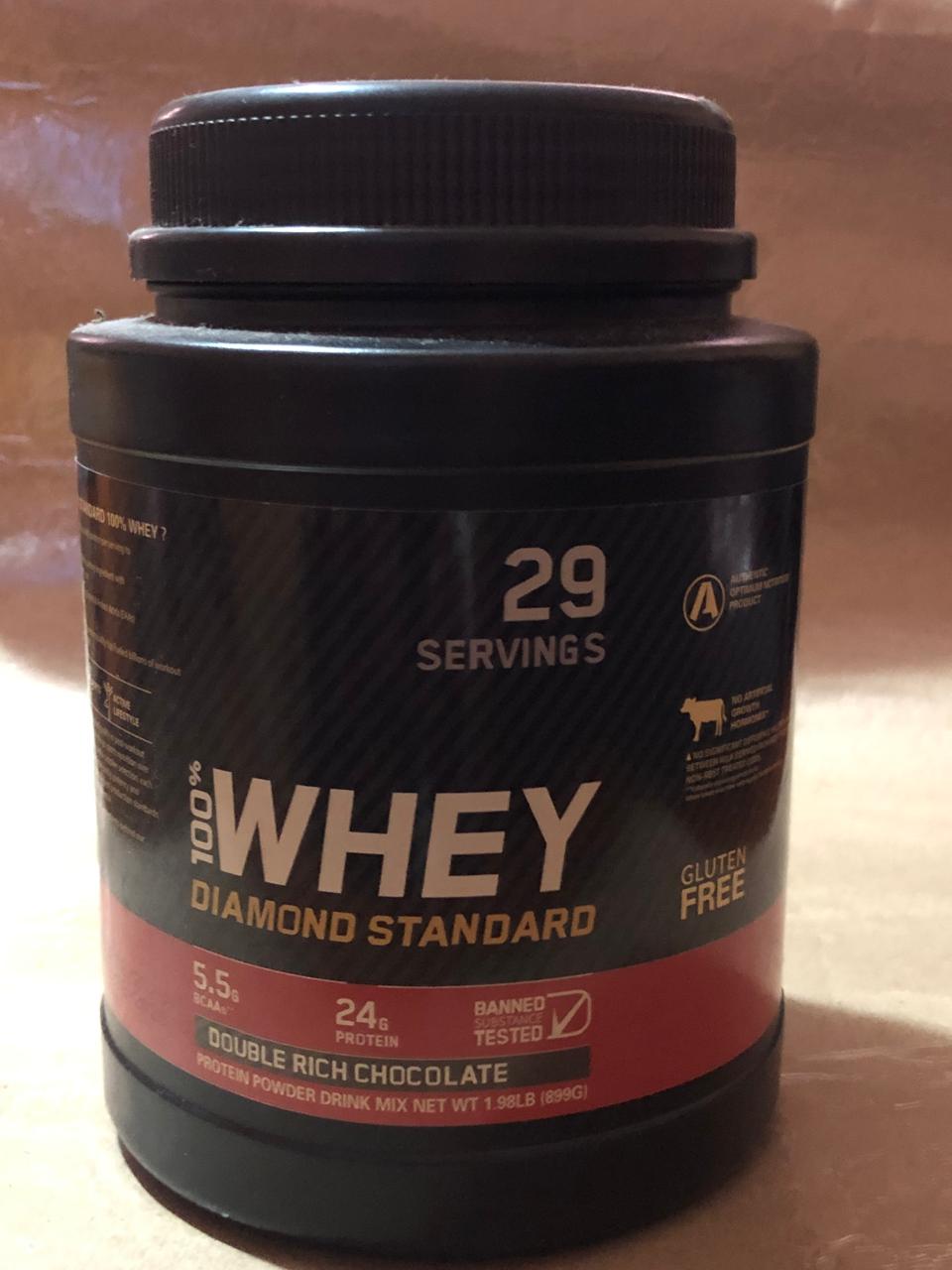
WHEY Diamond Standard
Price
Ksh4599.00
WHEY Diamond Standard
Key Benefits
- Whey protein is derived from milk during cheese production and contains all 9 essential amino acids in optimal ratios, with the highest biological value (BV ~104) and protein digestibility-corrected amino acid score (PDCAAS = 1.0) of any food protein — meaning the body utilizes more of each gram of whey protein than any other protein source.
- Whey is uniquely rich in leucine — the master regulator of muscle protein synthesis (MPS). Leucine activates mTORC1 (mechanistic target of rapamycin complex 1), the central anabolic signaling hub that triggers ribosomes to begin translating new muscle proteins. The leucine threshold for maximal MPS activation is approximately 2–3g per serving — a threshold met by a standard whey protein dose.
- The rapid digestion kinetics of whey protein (peak plasma amino acids within 60–90 minutes versus 3–4 hours for casein) makes it the ideal protein source for the immediate post-exercise period, when muscle protein synthesis rates are elevated 100–200% above baseline and amino acid availability is the rate-limiting factor.
- Whey protein contains 5.5g of BCAAs (branched-chain amino acids: leucine, isoleucine, valine) per serving — the three amino acids that are directly metabolized in muscle (unlike other amino acids that are processed in the liver) and that provide fuel during endurance exercise while simultaneously stimulating anabolic pathways.
- Supports fat loss: whey protein has the highest thermic effect of food (TEF ~25–30%) of all macronutrients, meaning the body burns 25–30% of whey protein calories during digestion itself. Combined with its satiety-enhancing effects (via CCK, GLP-1, and PYY hormonal release), whey protein supports body composition improvement beyond its muscle-building role.
- Whey contains immunoglobulins (IgG, IgA, IgM), lactoferrin, alpha-lactalbumin, and beta-lactoglobulin — bioactive proteins with immunomodulatory and antimicrobial properties that support gut and systemic immune health at doses achievable through supplementation.
- Banned substance tested certification is critical for competitive athletes in Kenya and East Africa who participate in national and international competition governed by WADA (World Anti-Doping Agency). This certification provides meaningful assurance that the product does not contain undeclared performance-enhancing substances.
Recommended Usage
Scientific Backing
- Muscle Protein Synthesis: A landmark study by Tipton et al. (American Journal of Physiology, 2004) established that whey protein consumed post-exercise produced a significantly greater anabolic response (MPS increase) than casein or soy protein, attributable to its rapid digestion and high leucine content.
- Leucine and mTOR: Research by Norton and Layman (Journal of Nutrition, 2006) established the minimum leucine threshold concept and confirmed leucine as the primary dietary trigger for mTORC1-mediated muscle protein synthesis, validating the mechanistic advantage of leucine-rich whey protein.
- Dose-Response for Hypertrophy: A meta-analysis in the British Journal of Sports Medicine (Morton et al., 2018) covering 49 RCTs found protein supplementation significantly augmented muscle hypertrophy gains from resistance training, with the effect plateauing at approximately 1.62g/kg/day — achievable through combining diet and supplementation.
- Body Composition: A systematic review in the American Journal of Clinical Nutrition confirmed whey protein supplementation consistently reduced fat mass while preserving lean mass during hypocaloric diets, outperforming other protein sources in body composition outcomes.
- Biological Value: Published nutrition tables confirm whey protein's BV of 104 (surpassing whole egg BV of 100), PDCAAS of 1.0, and DIAAS (digestible indispensable amino acid score) superior to casein, soy, pea, and rice proteins — the basis for its position as the gold-standard supplemental protein.