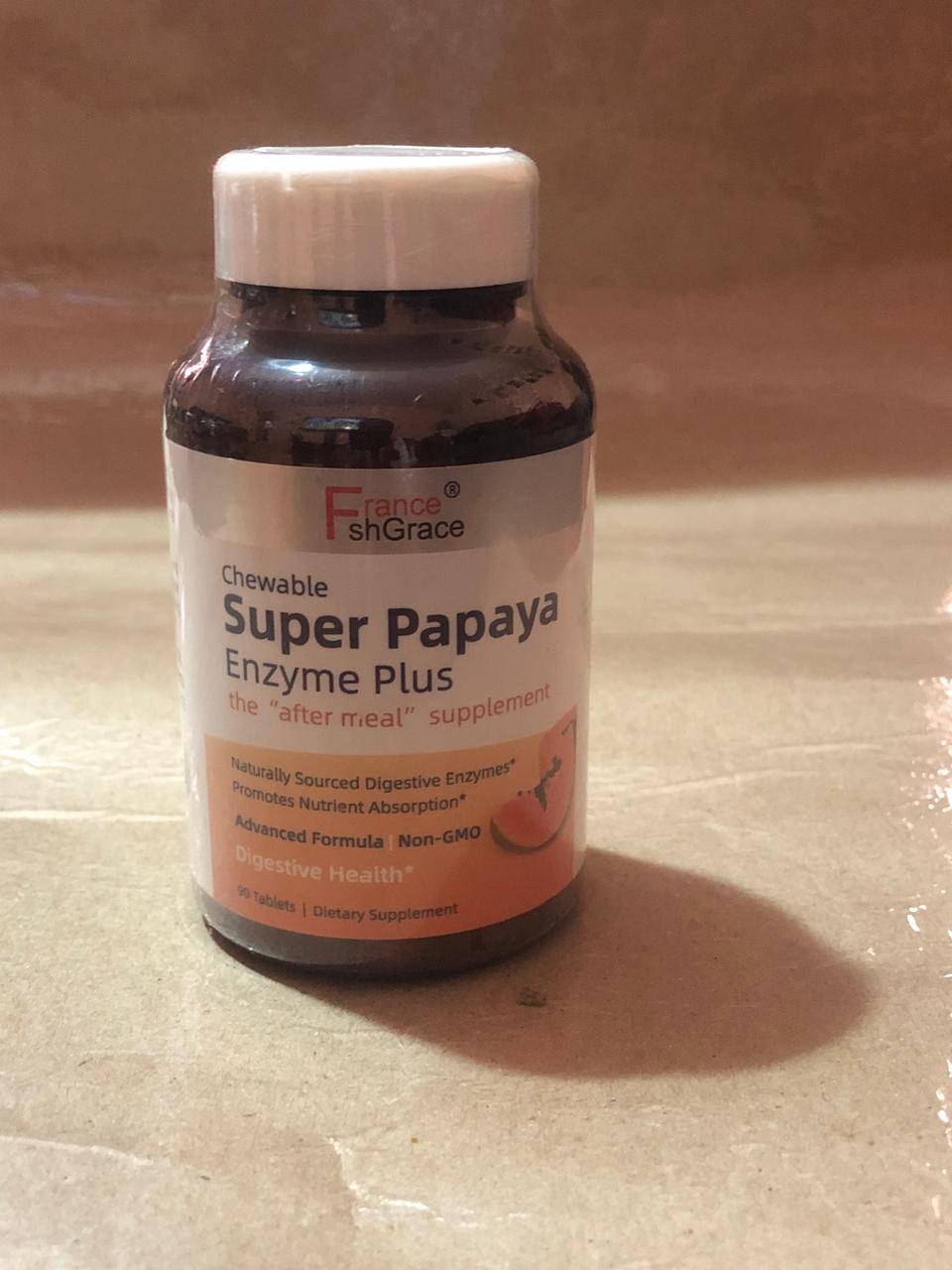
Super papaya Enzyme plus
Price
Ksh3299.00
Super papaya Enzyme plus
Key Benefits
- Papain — the principal proteolytic enzyme derived from unripe papaya (Carica papaya) latex — cleaves peptide bonds in proteins at a broad range of pH levels (unlike pepsin, which requires highly acidic conditions), making it effective throughout the stomach and small intestine.
- Papain mimics and amplifies the body's own digestive enzyme activity, providing exogenous protease support particularly valuable for individuals with reduced gastric acid output (hypochlorhydria), pancreatic enzyme insufficiency, or protein-heavy diets that tax the digestive system.
- The 'Plus' enzyme complex typically includes bromelain (from pineapple stem), amylase (starch-digesting), lipase (fat-digesting), cellulase (fiber-digesting), and lactase — creating a broad-spectrum digestive support formula that addresses all major macronutrient classes.
- By pre-digesting proteins into smaller peptides and amino acids before absorption, papain reduces the likelihood of large, partially digested protein molecules reaching the colon where they undergo fermentation — a primary driver of bloating, flatulence, and digestive discomfort after protein-rich meals.
- Supports nutrient bioavailability: by completing protein hydrolysis, papain increases the bioavailability of essential amino acids, including those that serve as precursors to neurotransmitters (tryptophan - serotonin, tyrosine - dopamine/noradrenaline) and immune proteins.
- Papain has documented anti-inflammatory properties separate from its digestive function — it degrades fibrin deposits in inflamed tissues and reduces edema by cleaving inflammatory mediator proteins, making it potentially beneficial for post-injury recovery and systemic inflammation.
- The chewable format allows enzyme activity to begin in the oral cavity, mimicking the natural salivary amylase initiation of digestion and ensuring enzyme contact with food from the first stage of the digestive process.
Recommended Usage
Scientific Backing
- Protein Digestion: Biochemical studies confirm papain's broad substrate specificity and pH stability (active from pH 3–9), making it functionally superior to pepsin in environments where gastric pH is suboptimal — a condition affecting approximately 30% of adults over 50.
- Digestive Enzyme Supplementation: A 2008 systematic review in Alimentary Pharmacology and Therapeutics confirmed that plant-derived digestive enzyme supplements reduce post-meal bloating, flatulence, and abdominal pain in individuals with functional dyspepsia.
- Bromelain Anti-inflammation: A 2016 review in Biomedical Reports confirmed bromelain reduces systemic inflammatory markers including CRP, IL-6, and TNF-alpha, with efficacy comparable to NSAIDs in post-surgical edema models.
- Lactase Supplementation: The World Gastroenterology Organisation guidelines recognize exogenous lactase (as found in enzyme complex products) as an effective management strategy for lactose intolerance, improving milk digestion and reducing gas symptoms.
- Nutrient Absorption: Research published in the Journal of Nutritional Biochemistry confirms that exogenous enzyme supplementation in individuals with suboptimal digestive function improves the bioavailability of protein-bound minerals including iron, zinc, and calcium.