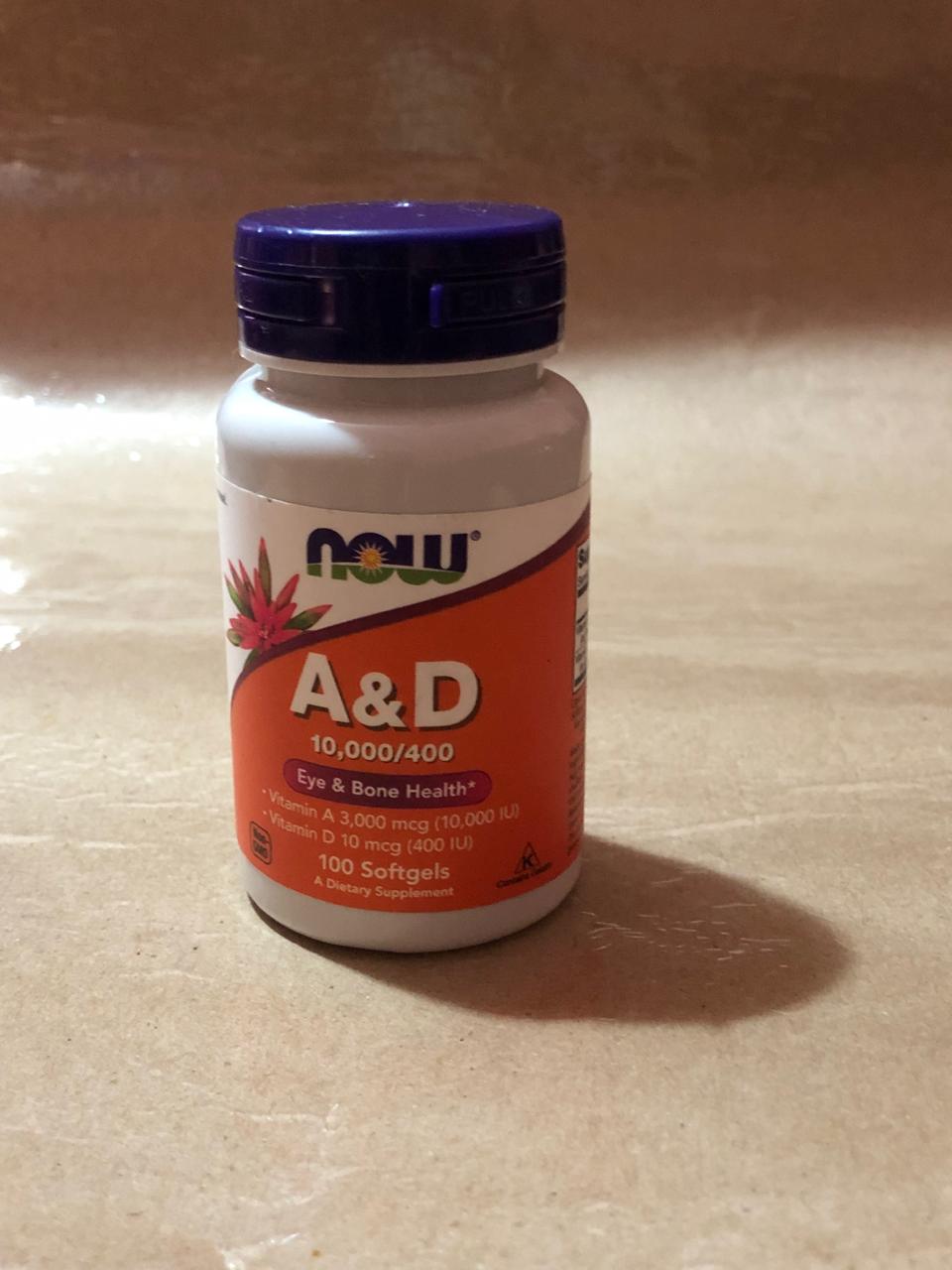
Now A&D
Price
Ksh3399.00
Now A&D
Key Benefits
- Vitamin A (as retinol) is the universal regulator of gene expression via retinoic acid receptors (RARs) and retinoid X receptors (RXRs) — nuclear transcription factors that control the differentiation of virtually every cell type in the body, including epithelial cells of the skin, lungs, gut, and immune system.
- Retinal (the aldehyde form of Vitamin A) is the chromophore that forms rhodopsin and cone opsins in photoreceptor cells — the light-sensing molecules that enable both scotopic (night) and photopic (color/detail) vision. Night blindness is the earliest clinical sign of Vitamin A deficiency, affecting millions across sub-Saharan Africa.
- Vitamin A is essential for mucosal barrier integrity throughout the body — it maintains the goblet cells that produce protective mucus in the respiratory, gastrointestinal, and urogenital tracts. This barrier function is the first line of defense against infectious pathogens.
- Vitamin D (cholecalciferol, 400 IU) is the most bioavailable form of Vitamin D3 — the same form produced by skin UV exposure. At the cellular level, its active metabolite (1,25-dihydroxyvitamin D3) acts as a steroid hormone that regulates over 200 genes, including those controlling calcium absorption, immune cell differentiation, and inflammatory cytokine production.
- The Vitamin D component supports bone health by stimulating TRPV6 (transient receptor potential vanilloid 6) calcium channels in intestinal cells, dramatically increasing dietary calcium absorption — without adequate Vitamin D, only 10–15% of dietary calcium is absorbed versus 30–40% with sufficiency.
- Together, Vitamins A and D act synergistically on immune function: Vitamin A maintains mucosal barriers (preventing pathogen entry), while Vitamin D activates innate immune cells and regulates adaptive immune responses — the combination supporting both physical and immunological defense systems.
- Vitamin D deficiency is highly prevalent in equatorial Africa despite abundant sunlight — counterintuitively, due to high skin melanin content (which reduces UV conversion efficiency), indoor lifestyles, and cultural clothing practices. Supplementation addresses this latent deficiency that underlies much preventable immune dysfunction.
Recommended Usage
Scientific Backing
- Vision and Vitamin A: WHO global reports confirm Vitamin A deficiency remains the leading preventable cause of childhood blindness in developing countries. Supplementation programs have reduced childhood blindness and all-cause mortality by 12–24% in deficient populations (WHO Technical Report, 2009).
- Gene Regulation: The Nobel Prize in Physiology or Medicine relevant research (Evans, 1988) established nuclear hormone receptors including RARs as the molecular mechanism by which Vitamin A controls cell differentiation — foundational science for understanding its systemic importance.
- Vitamin D and Calcium Absorption: Classic studies by DeLuca et al. (Science, 1974) established the intestinal calcium transport mechanism dependent on 1,25-dihydroxyvitamin D3, quantifying the 2–3 fold increase in calcium absorption with Vitamin D sufficiency.
- Vitamin D Deficiency in Africa: A systematic review in Nutrients (Mogire et al., 2020) found 34–79% of people in various African regions were Vitamin D deficient or insufficient, despite equatorial sun exposure — attributed to melanin content, indoor work, and clothing.
- Vitamin A Safety at 10,000 IU: The tolerable upper intake level (UL) for preformed Vitamin A is 3,000 mcg (10,000 IU) for adults — exactly this product's dose. Doses at or below the UL are considered safe for healthy non-pregnant adults with regular use, but this represents the maximum safe daily intake.