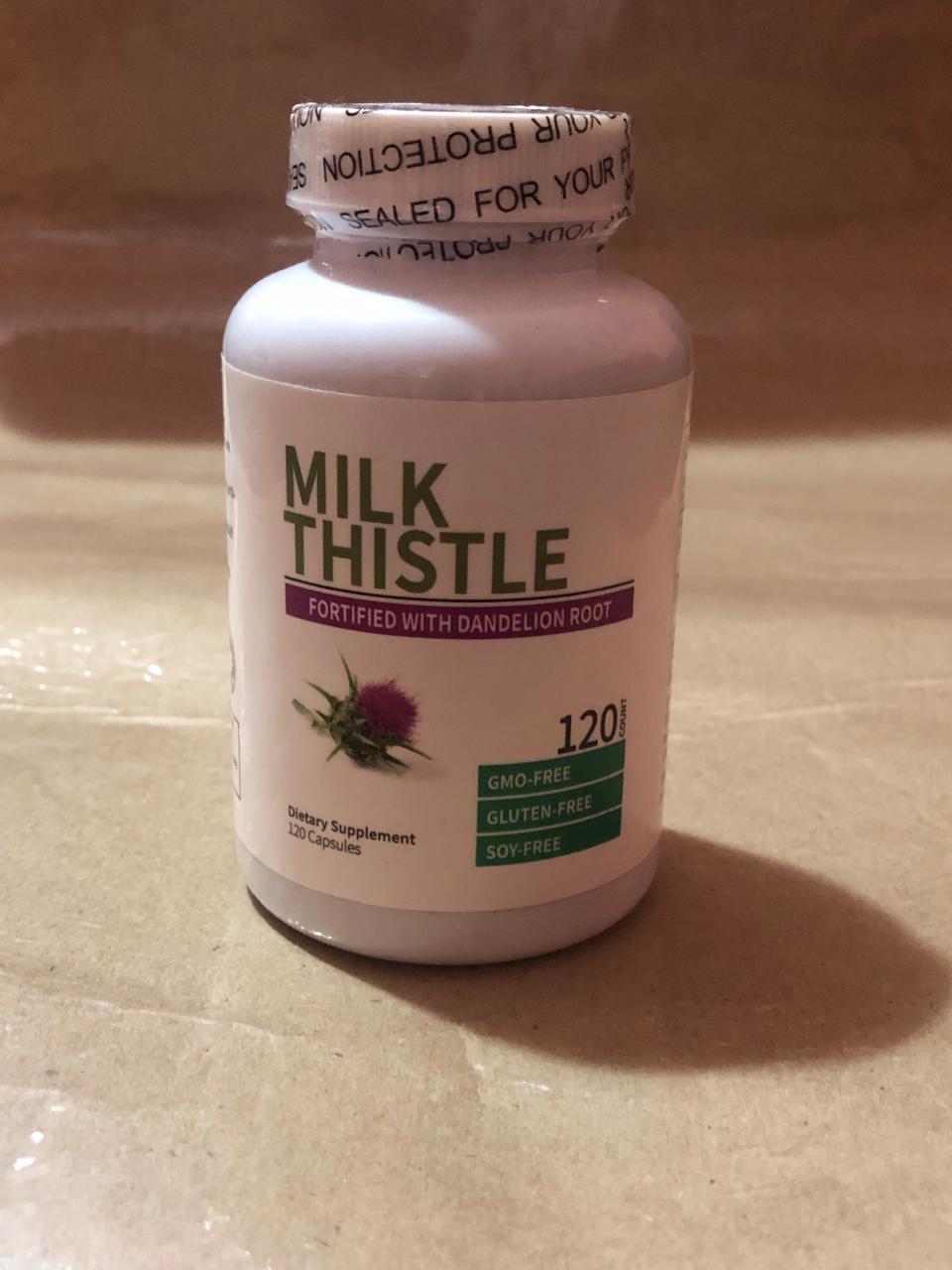
Milk Thistle
Price
Ksh3499.00
Milk Thistle
Key Benefits
- Silymarin — the biologically active flavonolignan complex extracted from Milk Thistle seeds (comprising silybin, silydianin, and silychristin) — is the most extensively studied hepatoprotective botanical compound in clinical medicine. It protects hepatocytes (liver cells) via four distinct mechanisms: antioxidant activity, anti-inflammatory signaling, membrane stabilization, and stimulation of ribosomal RNA polymerase I (accelerating hepatocyte regeneration).
- Silybin (the most potent silymarin component) competitively inhibits the uptake transport proteins that allow toxins — including Amanita phalloides (deathcap mushroom) toxins, industrial chemicals, alcohol metabolites (acetaldehyde), and certain medications — to enter hepatocytes, providing a physiological blocking mechanism against hepatotoxic compounds.
- Milk Thistle stimulates hepatocyte nuclear factor 4-alpha (HNF4a) — a transcription factor that regulates liver-specific gene expression including genes for phase I and phase II detoxification enzymes (cytochrome P450s, glutathione-S-transferases) — effectively upregulating the liver's own detoxification machinery.
- Dandelion Root (Taraxacum officinale) contains taraxacin, taraxacerin, and inulin — compounds that stimulate bile secretion (choleretic effect) and bile flow into the duodenum (cholagogue effect). Adequate bile flow is essential for fat-soluble vitamin absorption, cholesterol excretion, and prevention of gallstone formation.
- The combination formula creates a complementary hepatobiliary support system: Milk Thistle protects and regenerates liver cells, while Dandelion Root improves the flow and quality of bile produced by those cells — addressing both the production and transport aspects of liver function.
- Both plants provide prebiotic support: Milk Thistle's flavonoids support beneficial gut bacteria, while Dandelion Root contains inulin (a prebiotic fructooligosaccharide) that selectively feeds Bifidobacterium and Lactobacillus species — supporting the gut-liver axis that is critical for overall hepatic health.
- The clean, allergen-free formulation (GMO-free, gluten-free, soy-free) ensures compatibility for individuals with common food sensitivities and makes this appropriate for health-conscious consumers with dietary restrictions.
Recommended Usage
Scientific Backing
- Liver Enzyme Reduction: A systematic review of 13 RCTs in the American Journal of Gastroenterology (Jacobs et al., 2002) found silymarin supplementation consistently reduced serum ALT and AST liver enzymes in patients with alcoholic and non-alcoholic liver disease.
- Hepatocyte Regeneration: Molecular biology research confirms silymarin stimulates RNA polymerase I activity in hepatocytes, accelerating ribosomal RNA synthesis and hepatocyte protein production — the cellular mechanism underlying observed accelerated liver regeneration after hepatotoxic injury.
- Toxin Blockade: The intravenous use of silybin phosphatidylcholine (Legalon SIL) as the standard antidote for Amanita mushroom poisoning in European emergency medicine establishes the hepatoprotective mechanism at a clinical level (Enjalbert et al., Human & Experimental Toxicology, 2002).
- Dandelion Choleretic Effect: Research in Planta Medica confirmed taraxacin and sesquiterpene lactones from Dandelion root significantly increase bile secretion, with effects comparable to artichoke extract in biliary function studies.
- NAFLD: A 2017 RCT in Phytotherapy Research found silymarin supplementation (420 mg/day) significantly reduced liver fat content, liver stiffness (a fibrosis marker), and liver enzyme levels in patients with non-alcoholic fatty liver disease over 12 months.
- Antioxidant Activity: Research confirms silybin has an antioxidant potency approximately 10 times greater than Vitamin E in protecting lipid membranes from peroxidation — establishing its role as one of the most potent hepatocyte membrane protectants known.