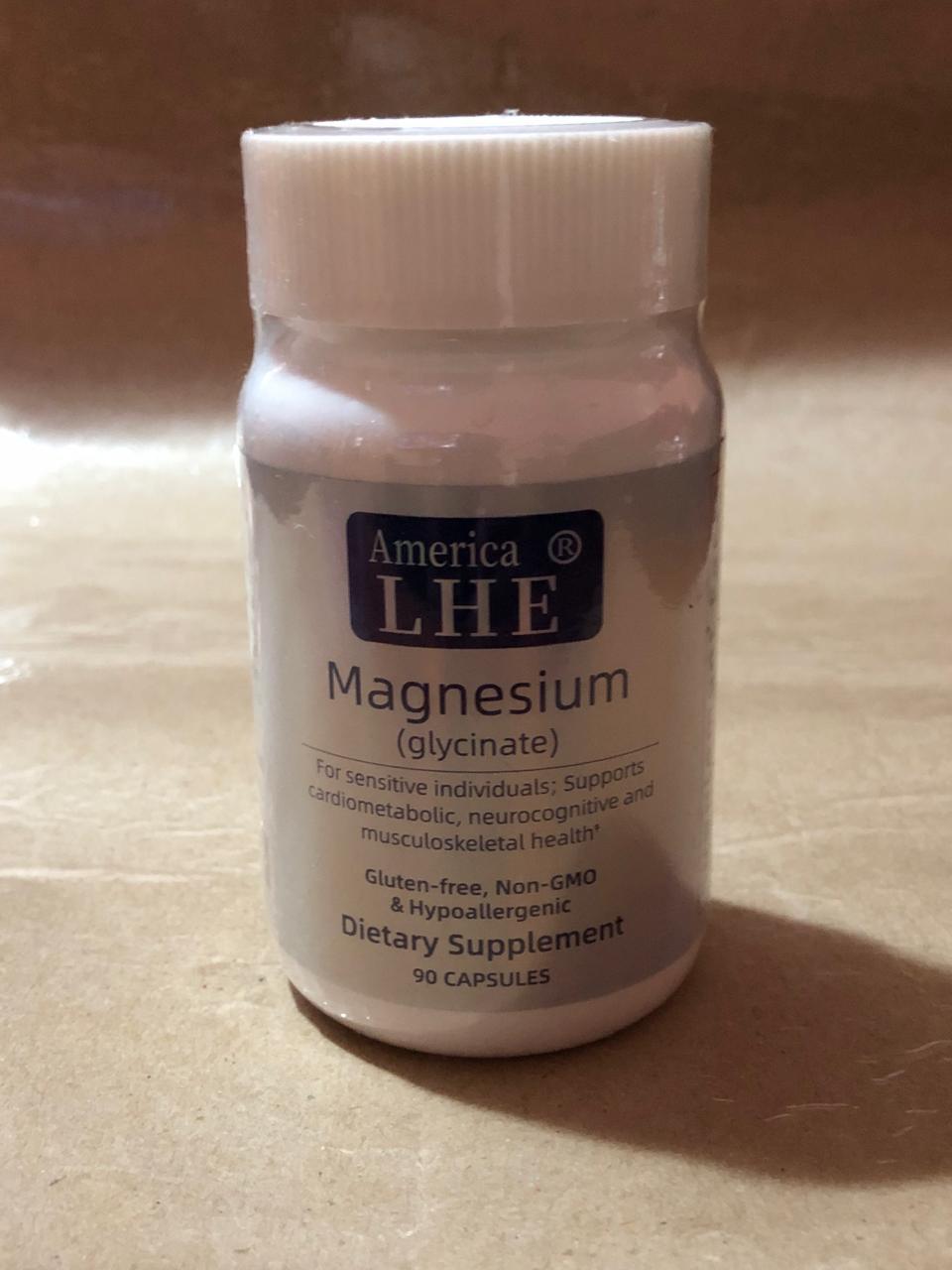
Magnesium glycinate America LHE
Price
Ksh3299.00
Magnesium glycinate
Key Benefits
- This formulation is specifically designed for sensitive individuals — the glycinate chelation virtually eliminates the laxative and osmotic diarrhea effects common with magnesium oxide and citrate, because the glycinate complex is absorbed via amino acid transport pathways rather than the osmotic gradient that draws water into the bowel.
- Cardiometabolic support: magnesium is a required cofactor for over 300 ATP-dependent enzymatic reactions including glycolysis, oxidative phosphorylation, and fatty acid beta-oxidation — the core metabolic processes that generate cellular energy. Deficiency impairs energy metabolism globally.
- Magnesium regulates the sodium-potassium ATPase pump (Na+/K+-ATPase) — the enzyme that maintains the electrical potential across cell membranes. Adequate magnesium is therefore essential for normal cardiac rhythm, preventing arrhythmias (a clinically documented consequence of hypomagnesemia).
- Neurocognitive support: magnesium gates NMDA (N-methyl-D-aspartate) glutamate receptors in the brain. At rest, magnesium ions block these channels, preventing excitotoxicity — the neuronal damage caused by excessive glutamate activation associated with anxiety, neuropathic pain, and neurodegeneration.
- Musculoskeletal support: approximately 60% of the body's magnesium resides in bone mineral, and 39% is intracellular in muscles. Muscle contraction requires calcium (trigger), but relaxation requires magnesium (which competes with calcium at troponin binding sites and returns calcium to the sarcoplasmic reticulum). Deficiency causes persistent muscle tension, cramps, and spasms.
- Glycine (the amino acid chelate component) provides independent therapeutic benefits: it is an inhibitory neurotransmitter in the spinal cord and brainstem, reducing pain signaling and promoting calmness. Glycine also serves as a precursor to glutathione and collagen — the body's master antioxidant and primary structural protein respectively.
- The hypoallergenic formulation — free from common excipients, fillers, and potential allergens — makes this appropriate for individuals with multiple sensitivities, those on elimination diets, or anyone prioritizing a clean supplement profile.
Recommended Usage
Scientific Backing
- Glycinate Bioavailability: Research confirms that mineral chelates (amino acid-bound minerals) have significantly higher bioavailability than inorganic salts. Magnesium glycinate shows superior GI tolerance with comparable or superior serum magnesium elevation (Walker et al., Magnesium Research, 2003).
- Cardiac Arrhythmia: A landmark study in the Journal of the American Medical Association (Rasmussen et al., 1988) found IV magnesium sulfate reduced incidence of ventricular arrhythmias post-MI by 49%, establishing magnesium's critical role in cardiac electrical stability.
- NMDA Receptor Neuroprotection: Seminal research by Mayer et al. (Nature, 1984) established the voltage-dependent magnesium block of NMDA channels as a fundamental mechanism preventing excitotoxic neuronal death — the basis for magnesium's neuroprotective properties.
- Insulin Sensitivity: A 2013 meta-analysis in Diabetic Medicine (Schulze et al.) covering 13 prospective cohort studies found each 100 mg/day increase in dietary magnesium reduced type 2 diabetes risk by 14% — with the strongest effects in populations with the lowest baseline magnesium intake.
- Glycine and Sleep: A clinical study in Sleep and Biological Rhythms (Inagawa et al., 2006) found 3g glycine supplementation before bed significantly improved subjective sleep quality, reduced daytime sleepiness, and improved cognitive performance the following day.