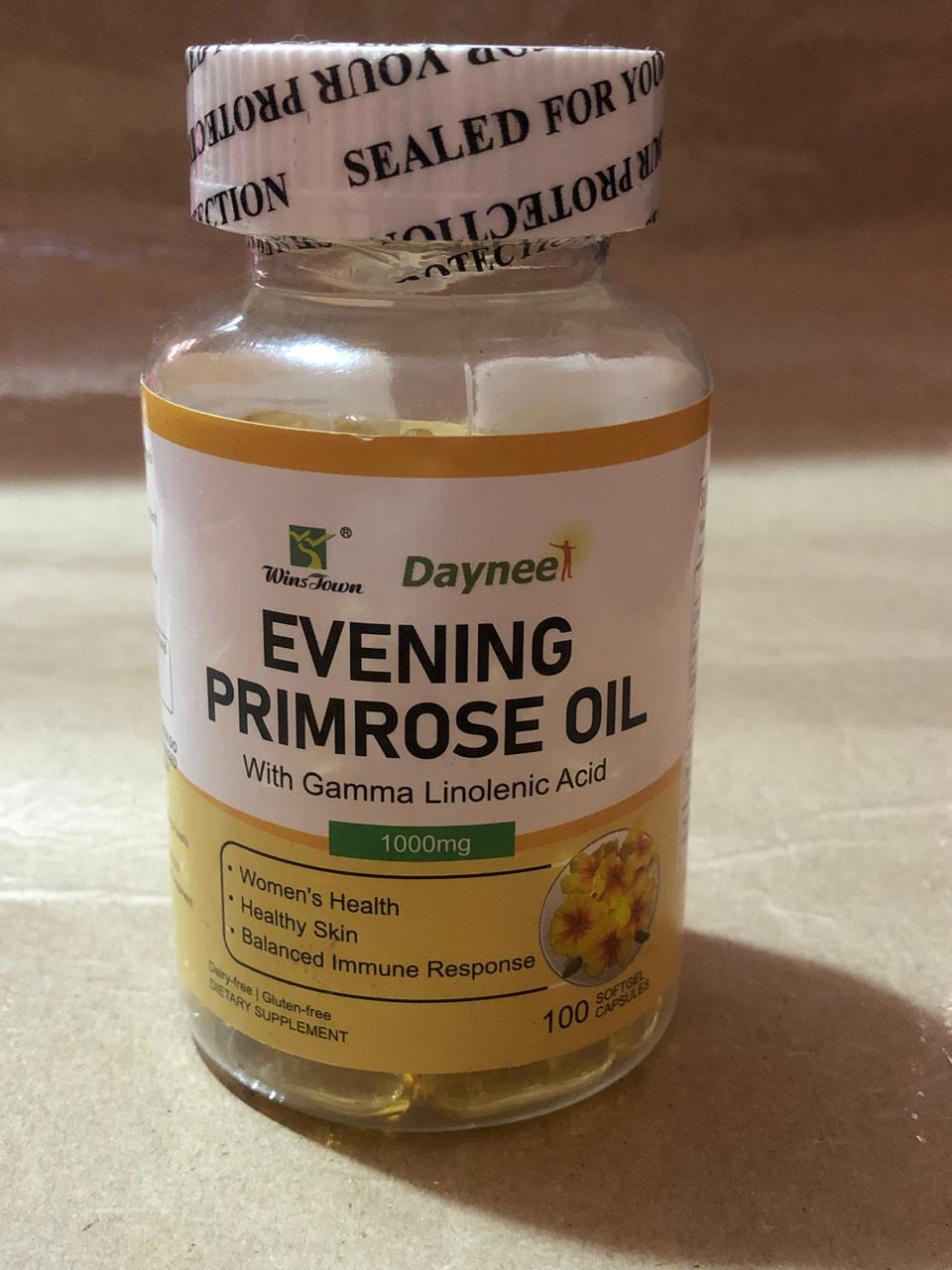
Evening PrimRose Oil
Price
Ksh3499.00
Evening PrimRose Oil
Key Benefits
- Evening primrose oil (EPO) is the richest plant-based source of gamma-linolenic acid (GLA) — an omega-6 fatty acid that occupies the critical juncture in the arachidonic acid pathway between dietary linoleic acid (LA) and its downstream anti-inflammatory metabolites. GLA is converted to DGLA (dihomo-gamma-linolenic acid), which produces anti-inflammatory prostaglandin E1 (PGE1) rather than pro-inflammatory PGE2.
- PGE1 (produced from DGLA) exerts powerful anti-inflammatory, vasodilatory, and platelet-inhibitory effects. Crucially, it reduces the production of PGE2 (the pro-inflammatory prostaglandin implicated in menstrual cramping, breast pain, and inflammatory skin conditions) by competing for COX enzyme access.
- Supports hormonal balance in women: GLA modulates prostaglandin ratios throughout the menstrual cycle, reducing the severity of PMS symptoms including breast tenderness (mastalgia), cramping, bloating, mood swings, and irritability — conditions driven by elevated PGE2 relative to PGE1.
- Skin health: GLA is a critical structural component of the skin's lipid barrier — the ceramide-rich stratum corneum layer that prevents transepidermal water loss (TEWL). Deficiency of GLA or impaired delta-6-desaturase enzyme activity (which converts LA to GLA) leads to dry, flaky, and eczema-prone skin.
- Supports healthy immune response: PGE1 modulates T-lymphocyte activity and reduces excessive inflammatory immune responses, making EPO potentially beneficial for autoimmune-related skin conditions (eczema, psoriasis) and allergic responses.
- The delta-6-desaturase enzyme that converts dietary linoleic acid to GLA is commonly inhibited by aging, high intake of trans fats, excessive alcohol, viral infections, and nutritional deficiencies (zinc, Vitamin B6, magnesium). EPO bypasses this enzymatic bottleneck entirely, directly supplying GLA.
- Menopausal support: GLA-derived PGE1 supports norepinephrine regulation in hypothalamic thermoregulatory neurons, potentially reducing the frequency and severity of hot flashes — the most prevalent and disabling symptom of menopause.
Recommended Usage
Scientific Backing
- PMS: A double-blind RCT in the Journal of Reproductive Medicine (Budeiri et al., 1996) found EPO supplementation significantly reduced PMS symptoms including irritability, depression, breast pain, and bloating versus placebo over 3–4 menstrual cycles.
- Mastalgia (Breast Pain): A controlled trial (Mansel et al., 1990) found EPO reduced cyclical mastalgia severity by 58% versus 38% for bromocriptine (a pharmaceutical), establishing EPO as a first-line recommendation for cyclical breast pain in British clinical guidelines.
- Eczema and Skin: A meta-analysis in the British Journal of Dermatology (Morse et al., 1989) of 9 RCTs found EPO significantly improved eczema severity scores (scaling, itching, redness, and lesion area) versus placebo, with the effect attributed to correction of GLA deficiency.
- Delta-6-Desaturase Pathway: Research confirms that up to 30% of the general population has impaired delta-6-desaturase activity due to genetic polymorphisms and lifestyle factors, meaning direct GLA supplementation (via EPO) is beneficial even with adequate linoleic acid intake (Horrobin, Progress in Lipid Research, 1992).
- Hot Flashes: A 2013 RCT published in Menopause found EPO supplementation significantly reduced hot flash frequency and severity in menopausal women compared to placebo, supporting its traditional use in women's hormonal health.