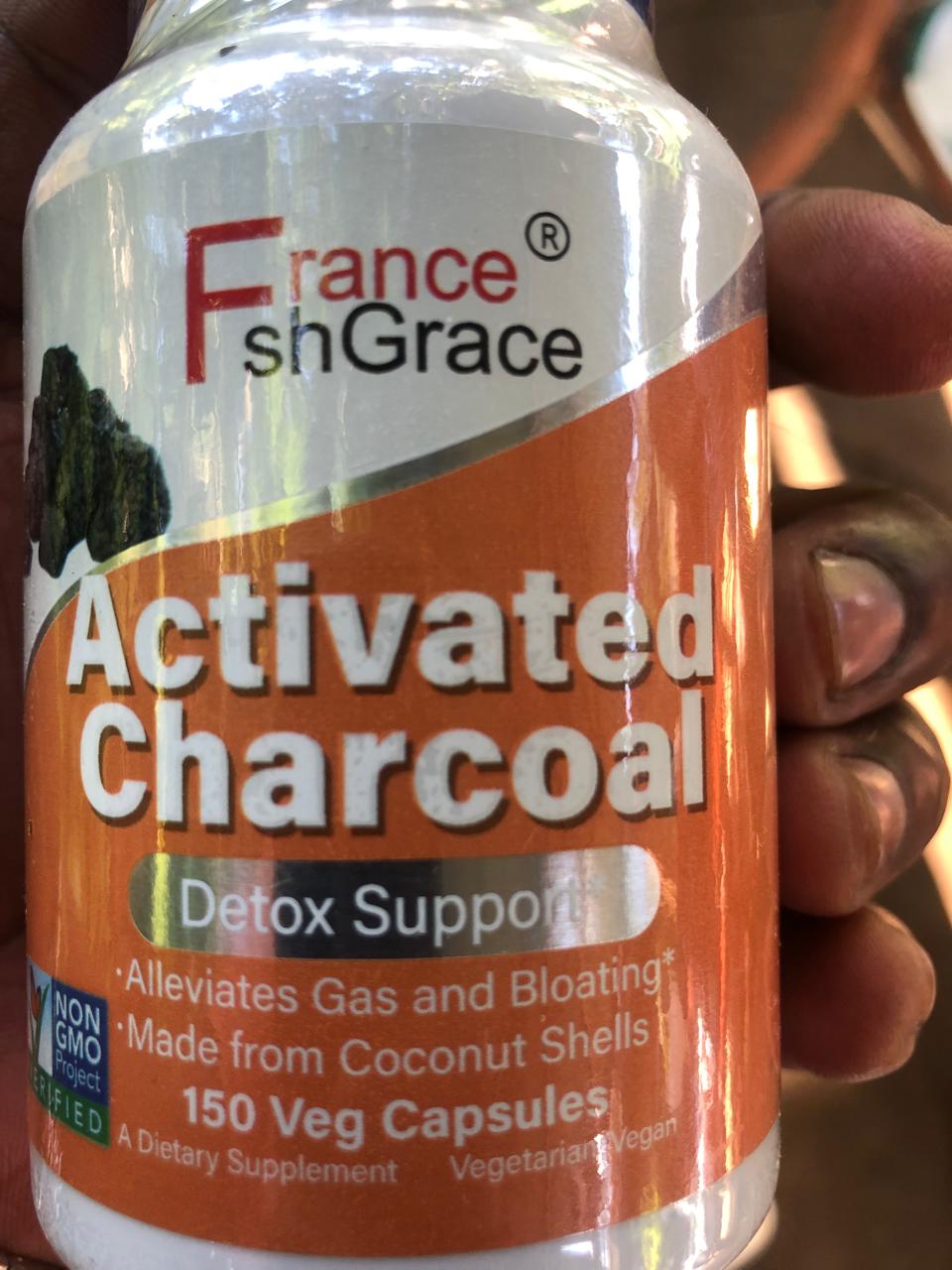
Activated Charcoal
Price
Ksh3999.00
Activated Charcoal
Key Benefits
- Activated charcoal's extraordinarily porous structure (surface area of ~1,000 m²/g) enables powerful adsorption — the physical binding of toxins, gases, and organic compounds to its surface — facilitating their removal via the gastrointestinal tract rather than systemic absorption.
- Effectively reduces intestinal gas and bloating caused by fermentation of gas-producing foods (beans, cruciferous vegetables, lactose) by adsorbing the methane and hydrogen sulfide gases produced during bacterial fermentation.
- Supports acute detoxification in cases of mild food poisoning or accidental ingestion of certain toxins by binding the offending compounds in the GI tract before they are absorbed — the same mechanism used in emergency medicine for acute poisoning.
- The coconut shell source provides a cleaner, food-grade activated charcoal with higher surface area and lower heavy metal content compared to wood-based or coal-based alternatives.
- Non-GMO verified and vegan capsule formulation (hypromellose) makes this suitable for a wide range of dietary preferences and restrictions.
- Critical safety note: Activated charcoal is non-selective — it binds medications, vitamins, and supplements as effectively as toxins. The mandatory 2-hour separation from all other supplements and medications is essential to prevent interference with their absorption and efficacy.
Recommended Usage
Scientific Backing
- GI Gas Reduction: A double-blind crossover study (Hall et al., American Journal of Gastroenterology, 1981) found activated charcoal significantly reduced intestinal gas production and flatus frequency compared to placebo.
- Toxin Adsorption: Activated charcoal is listed in WHO Model List of Essential Medicines for acute poisoning management. Its adsorption capacity for aspirin, acetaminophen, tricyclics, and other drugs is well-established in clinical toxicology.
- Surface Area Mechanism: Physical chemistry confirms the porous structure of coconut-shell AC provides 800–1200 m²/g surface area, enabling binding of a wide range of organic molecules through Van der Waals forces (nonpolar adsorption).
- Cholesterol (investigational): A 1989 pilot study in The Lancet suggested activated charcoal supplementation reduced LDL cholesterol by up to 25% in hypercholesterolemic patients, though this use is not yet established in mainstream guidelines.
- Limitations: Activated charcoal does NOT adsorb heavy metals (lead, mercury), alcohol, caustic acids, or hydrocarbons effectively — this is important for users to understand when expecting 'full body detox' effects.